Fastest Digital Nomad Visa Spain Process: How Long Does It Take?

Quick Summary
| In-Spain Application (UGE) | ≈ 20 working days |
| Consulate Application (USA) | 1 – 3 months |
| Document Preparation | 4 – 6 weeks (apostilles take time) |
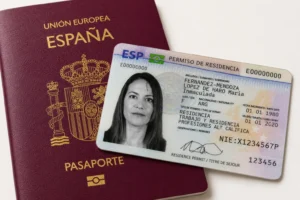
| TIE Card | 30 days after arrival |
| Total Timeline | 6 weeks – 4 months |
For many applicants from the United States, the biggest question about the Spanish Digital Nomad Visa is simple: how fast can I get it? The answer depends mostly on where you apply — from inside Spain or from the US consulate — and how quickly you can gather your documents.
In this guide, I break down the real 2026 processing times for every step, the fastest route available, and how to avoid the delays that push applications to three months or more.
How Long Does the Digital Nomad Visa Take in 2026?
There are two routes to the Digital Nomad Visa, and they have very different timelines:
- Applying from inside Spain (if you already hold a tourist visa): the UGE unit processes applications in about 20 working days.
- Applying from the US via a Spanish consulate: expect 1 to 3 months, depending on the consulate’s workload.
Whichever route you choose, the document preparation phase usually takes the longest because it involves apostilles, translations, and appointments that are outside your control.
Fastest Route: Apply from Inside Spain
If you are already in Spain as a tourist (US citizens get 90 days visa-free under the Schengen rules), you can submit your Digital Nomad Visa application directly to the UGE (Unidad de Grandes Empresas, Ministerio de Inclusión). This route is significantly faster:
- Application decision in about 20 working days
- No consulate appointment waiting time
- Once approved, you collect your TIE card within 30 days
You can start working remotely while the application is being processed — but remember the Schengen 90/180-day rule limits how long you can stay as a tourist before your visa is approved.
Consulate Route from the USA
If you prefer to apply from the United States, you must book an appointment at the Spanish consulate covering your state (Washington DC, New York, Miami, Chicago, Los Angeles, San Francisco, Houston, or San Juan). Processing at the consulate generally takes 1 to 3 months, and you should apply at least 90 days before your planned move date.
Step-by-Step Timeline
Step 1: Document Preparation (4–6 weeks)
This is where most delays happen. You need a criminal record check from the US, apostilled by the Secretary of State and the US Department of State, plus a certified translation. Apostilles typically take 2–4 weeks on their own.
Step 2: Application Submission
In Spain, submit to the UGE. From the US, book a consulate appointment and attend in person with your file.
Step 3: Approval
UGE decisions take ~20 working days; consulates take 1–3 months. Once approved, you receive your authorisation and can enter or stay in Spain.
Step 4: TIE Card (30 days)
After arrival in Spain, you have 30 days to apply for your TIE residence card at the local police station.
What Slows Applications Down?
- Missing or incorrect apostilles — the #1 cause of delay
- Uncertified translations — documents must be translated by a sworn translator
- Bank statements not meeting the income threshold — see the full Digital Nomad Visa requirements and our complete DNV document checklist
- Incomplete medical insurance — must cover the full Schengen area with no co-pays
- Choosing the wrong application route
How to Speed Up Your Application
- Start documents first — request apostilles before booking any appointment
- Use a sworn translator certified by the Spanish Ministry of Foreign Affairs
- Prepare a full checklist — download our Spain Digital Nomad Visa checklist so nothing is missing
- Apply from Spain if possible — the UGE route is the fastest
- Work with a lawyer who can submit a complete, denial-proof file the first time
What About Taxes Once You Arrive?
Once your visa is approved, don’t forget the tax side: as a Digital Nomad you can apply for the Beckham Law special regime and pay a flat 24% instead of progressive rates. Read my full guide on Digital Nomad Visa taxes and the Beckham Law, or check your own savings with the Beckham Law calculator.
Can You Speed Up the Consulate?
Some consulates release appointment slots on a specific day of the week. Check the consulate website regularly and consider whether the in-Spain UGE route is realistic for you — it is almost always faster.
Frequently Asked Questions
How fast can I get a Digital Nomad Visa for Spain from the USA?
From a US consulate, expect 1 to 3 months for the decision, plus 4–6 weeks of document preparation beforehand. Applying from inside Spain through the UGE is faster, around 20 working days.
Is the Digital Nomad Visa process faster from inside Spain?
Yes. Applying to the UGE from inside Spain typically takes about 20 working days, compared to 1–3 months at a consulate.
What is the fastest route to Spanish residency?
For remote workers, the in-Spain Digital Nomad Visa application via the UGE is the fastest route. See our Spain residency & visas guide to compare all options.
Can I work while waiting for my Digital Nomad Visa?
If you apply from inside Spain, you may be able to start working while the application is pending. From abroad, you must wait for approval before entering Spain to work.
How long does the TIE card take?
Once in Spain, the TIE card appointment is usually within 30 days of your arrival.
Does the 90/180 Schengen rule affect the timeline?
Yes. If you apply from inside Spain as a US tourist, your visa-free stay is limited to 90 days in any 180-day period, so plan your application within that window.
Moving fast? I can review your file before you submit to make sure nothing slows it down. Book a free consultation with Elena Mochales — the fastest way to a complete, compliant application is to get it right the first time.
Requirements first? See the complete 2026 Digital Nomad Visa requirements (€2,849/month income rule included).
American applicant? Read our dedicated guide to the Digital Nomad Visa for Americans 2026 — consulates, apostilles & taxes.

This content is for informational purposes only and does not constitute legal advice. Each case is unique. Consult with a qualified immigration lawyer for advice tailored to your situation.